




TAF - THE ANIMAL FUND

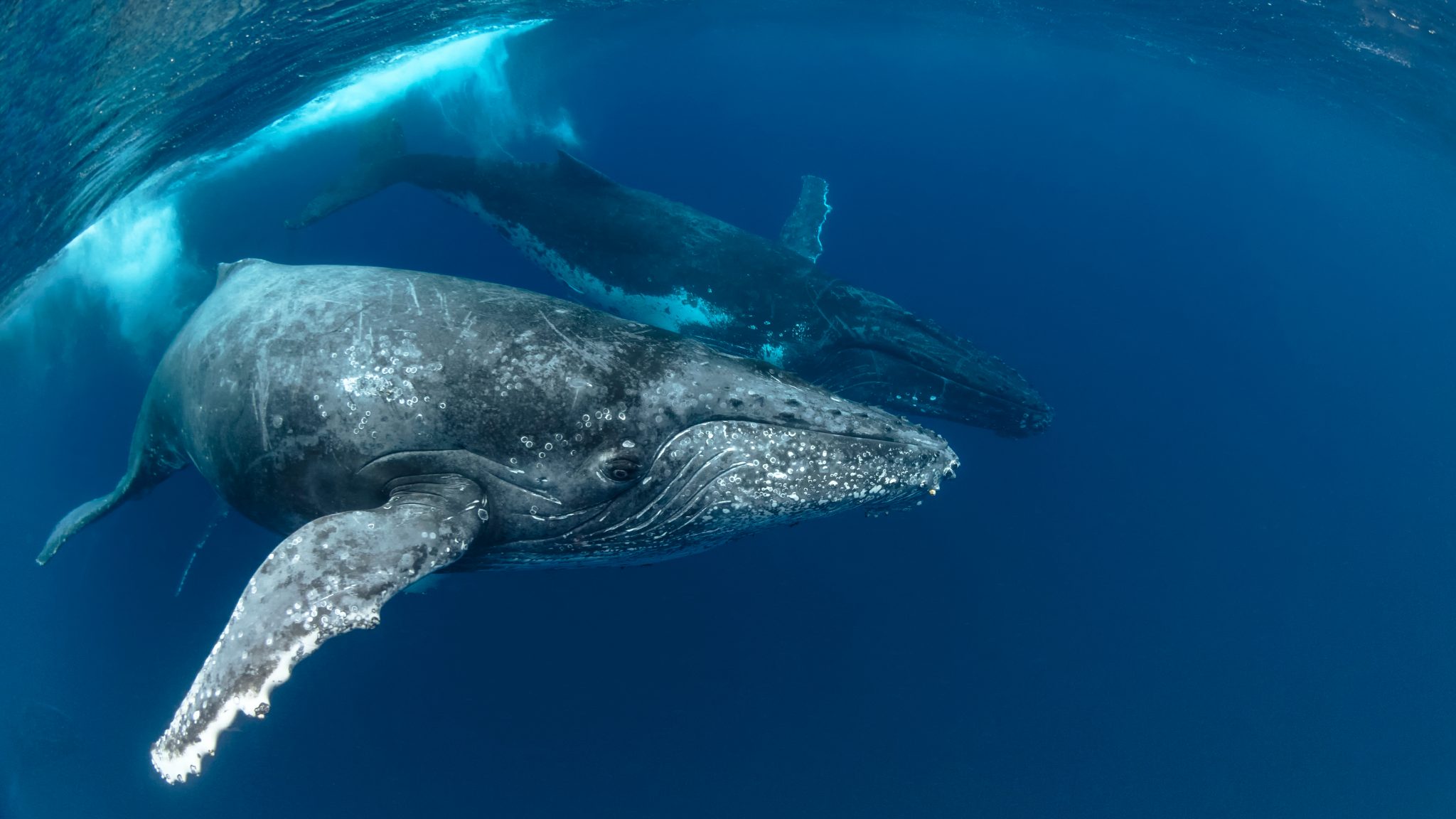
TAF – The Animal Fund is a non-profit marine conservation organization, with registration in five countries and a global operational scope. Our primary focus is on safeguarding the ocean and its diverse marine life, with particular attention to whales, which hold significant importance in the ecosystem.

Whales serve a crucial role in the marine environment by distributing nutrients throughout the ocean, thereby fertilizing phytoplankton, which in turn contribute up to 85% of the oxygen we breathe.

It’s essential to recognize that the presence of whales is fundamental to sustaining life on Earth.

Educating for Ocean Conservation

ABOUT US

We are a diverse team united by different cultures, backgrounds, and expertise, guided by ethics, respect, honesty, and collaboration.

OUR PROJECTS

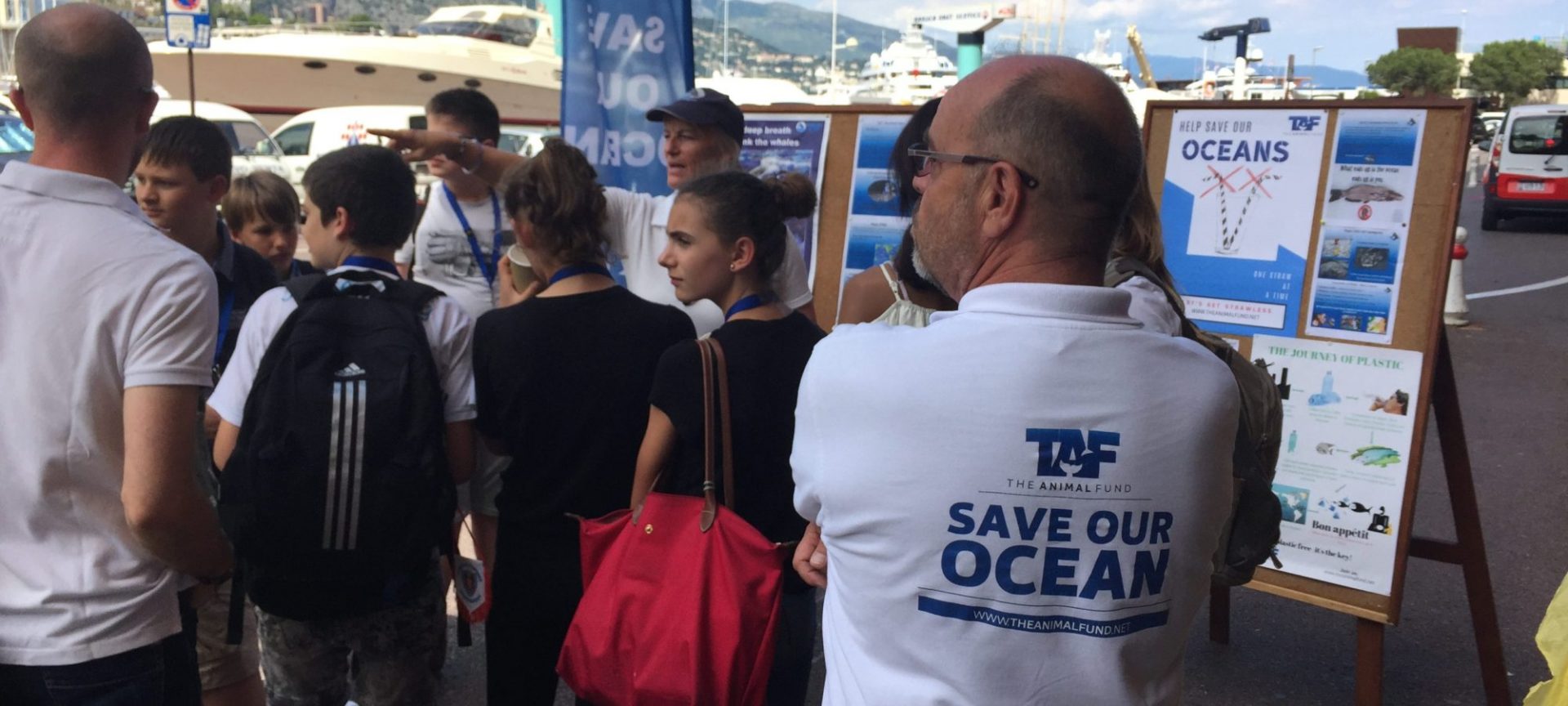
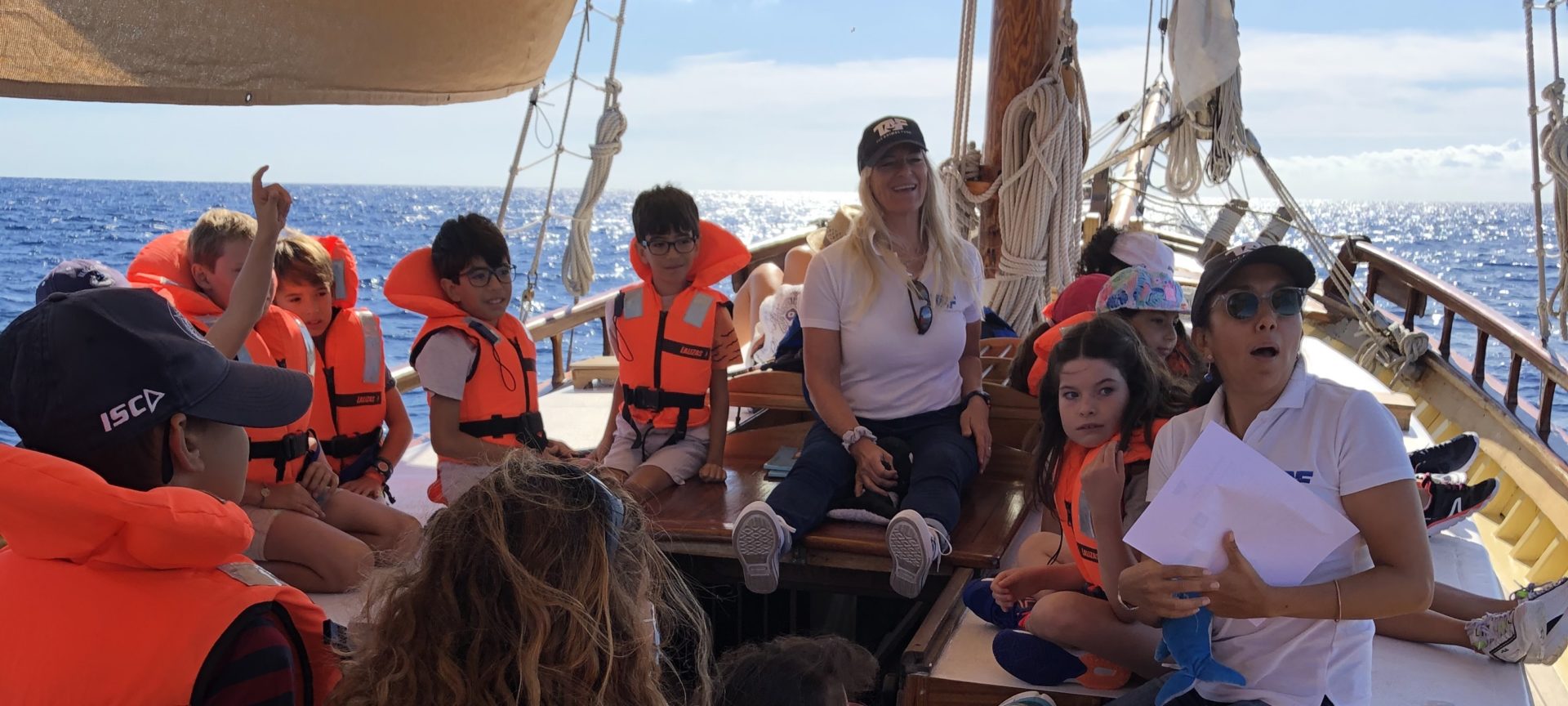
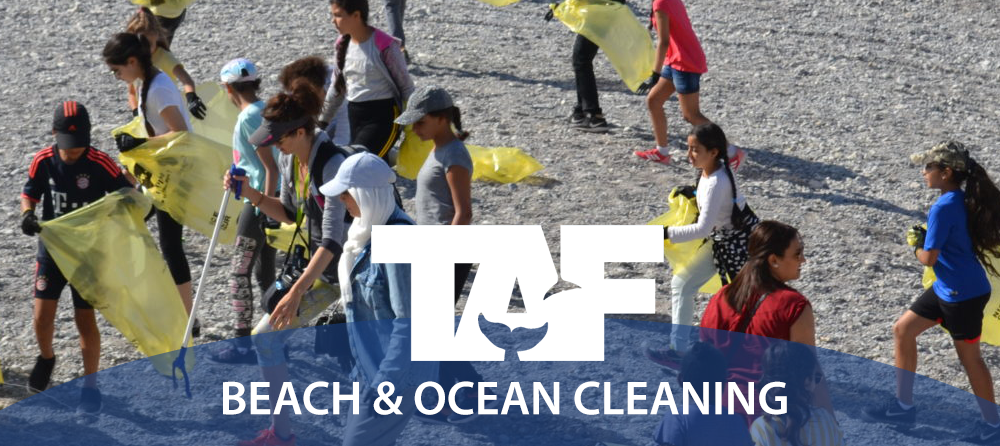
Education is how we protect the ocean. Through learning and action, TAF addresses plastic pollution, overfishing, toxic chemicals, and responsible whale watching.

EVENTS

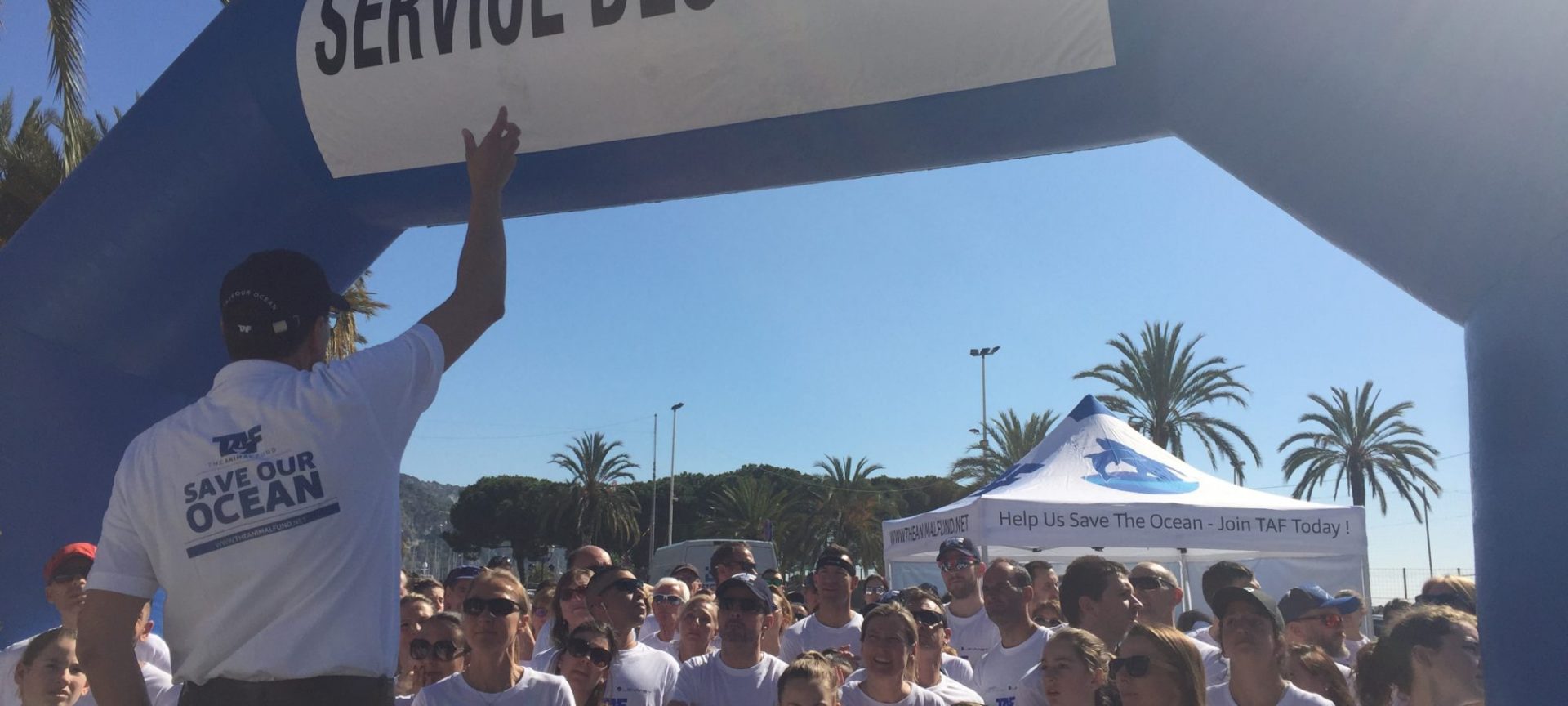
Through events and educational initiatives, TAF raises awareness of endangered marine life and turns knowledge into action through real-world solutions.

SAVE OUR OCEAN - SAVE OUR FUTURE

We empower everyone to contribute to ocean conservation!

THANK THE WHALES, OUR SUPER HEROES!

Whales are essential for carbon storage by sequestering it when they die and sink to the ocean floor, a process known as “whale fall.” This removal of carbon from the atmosphere lasts for hundreds of thousands of years. Additionally, whale carcasses serve as a rich food source, benefiting deep-sea organisms.

Whales feed deep in the ocean and release significant amounts of nitrogen and iron through defecation at the surface. This process moves nutrients upward in the water column, stimulating phytoplankton growth near the surface, which is fundamental to marine food chains. As whales migrate, they continually distribute nutrients, enhancing the ecological value for drifting phytoplankton.

Whale excrement enriches the ocean surface with essential nutrients vital for ocean ecosystems, the global nutrient cycle, and the carbon cycle. Phytoplankton, microorganisms at the ocean’s surface, utilize this whale excrement to photosynthesize, absorb CO2, and release up to 85% of the oxygen crucial for our breathing.

Watch the videos below on why protecting WHALES MATTERS!

Play Video